Termite Vector Design Solid Color
A Designer’s First Look: Clean, Bold, and Unexpectedly Charming
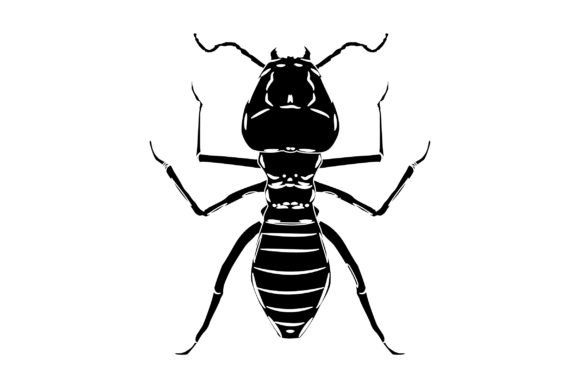
When I opened Termite Vector Design Solid Color, I wasn’t expecting to smile—but I did. It’s not a “cute” animal design in the usual sense. There’s no wink, no exaggerated grin, no cartoonish puffiness. Instead, it’s confident, simplified, and quietly expressive: a single-termite silhouette rendered in bold, unbroken outlines and flat, rich color. The shape is compact but not cramped—its segmented body and subtle antennae give just enough character without overcomplicating the form. As an embroidery designer, that balance matters more than most people realize. This isn’t just a vector—it’s a stitchable idea.
Where It Shines: Real Projects That Feel Intentional
I tested Termite Vector Design Solid Color on a custom embroidered canvas tote for a local eco-conscious boutique. Why a termite? Because their client celebrates soil health, decomposition, and quiet ecological cycles—not flash, but function. And this design delivered: crisp satin-stitched edges held up beautifully on medium-weight canvas, and the solid fill translated into dense, even fill stitch without float or distortion. It looked handmade, not digital. That same energy carried over to a baby onesie (organic cotton, tear-away stabilizer), a linen apron for a small-batch baker, and even a set of holiday tea towels—where its minimalist charm stood out against busy kitchen patterns.
It works especially well for small business branding that leans into authenticity over polish: think craft fair patches, Etsy shop logos stitched onto denim jackets, or nursery decor where “whimsical but grounded” is the goal. As a machine embroidery design, it avoids the pitfalls of overly detailed illustrations—no tiny legs to vanish in thread, no nested curves that snag needles. It’s built for clarity, not clutter.
Where to Pause—and Plan Ahead
That said, Termite Vector Design Solid Color isn’t universally forgiving. On stretchy fabric like ribbed knit sweatshirts, I found the outer edge needed tighter tension control and a light cutaway stabilizer—otherwise, the clean outline softened slightly at the antennae tips. On dark fabric, contrast became critical: a mid-tone thread (like charcoal grey or olive) read better than black-on-black, which lost definition. And while it scales beautifully as a vector, shrinking it below 2.5 inches for a cap front or baby cap required checking stitch density—too tight, and the fill can look muddy; too loose, and the shape loses cohesion.
Curved surfaces demand attention too. When placed near the crown seam of a structured cap, the bottom curve of the termite’s body needed slight digitizing adjustment—I didn’t need to redraw it, but I did nudge anchor points to follow the dome’s contour. That’s not a flaw in the design; it’s standard prep for any solid-color vector used in commercial embroidery. Just know you’ll want to preview it in your embroidery software before hooping.
What Customers Actually Notice
Here’s what surprised me: people kept asking *what kind of insect it was*. Not “Is that a bug?”—but “Is that a termite? A woodlouse? Something rare?” That curiosity is gold for handmade products. It invites conversation, tells a micro-story, and makes the item feel considered—not generic. In my Etsy listings, items featuring Termite Vector Design Solid Color had higher engagement time and more repeat questions about symbolism and sourcing. That translates directly to perceived value: customers don’t just buy a stitched bug—they buy intention, craftsmanship, and quiet wit.
For boutique branding or personalized gifts, that resonance matters. A termite on a wedding guest towel? Unexpected—but memorable. On a child’s pillow cover with “Soil Squad” embroidered underneath? Playful and smart. It builds brand consistency not through repetition, but through tone: thoughtful, earthy, unhurried.
Practical Notes Every Embroiderer Should Keep Handy
- Always test first: Run Termite Vector Design Solid Color on scrap fabric matching your final project’s weight, weave, and stretch—even if it’s “just” a tote bag.
- Check thread color contrast early: Try it in black, white, and one mid-tone on both light and dark fabric swatches. Satin stitch reflects light differently than fill stitch—what reads clearly on screen may mute on cloth.
- Review stitch density in your software: Solid-color vectors can sometimes generate heavier fills than needed. If your machine hesitates or fabric puckers, reduce density by 5–10% and retest.
- Confirm hoop size compatibility: While the vector itself resizes freely, your embroidery file’s physical dimensions must fit your smallest hoop—especially for baby items or caps.
- Inspect corners and terminals: Zoom in on the antennae tips and body joints. Are they sharp? Smooth? Do they translate cleanly into running or satin stitch? If not, a quick node adjustment takes seconds.
- Mock it in black and white: Convert your digital embroidery file to grayscale. Does the shape hold its identity? If it blurs or flattens, adjust outline weight or simplify adjacent areas.
- Verify licensing for commercial use: Since this is listed as a Graphics asset suitable for logos and T-shirt designs, confirm whether resale of finished embroidered products or digital embroidery files is permitted under its license terms.
Final Thought: A Quietly Confident Design Choice
Termite Vector Design Solid Color won’t shout from a crowded craft fair table—but it will hold attention longer than flashier options. It’s the kind of illustration that grows on you: simple enough for a beginner embroiderer to execute cleanly, distinctive enough for an experienced designer to build a whole product line around. Whether you’re stitching a limited-run patch for a sustainability workshop, prepping an Etsy listing for embroidered kitchen linens, or developing brand assets for a nature-based small shop, this design offers real utility without sacrificing personality. It reminds us that strong embroidery starts not with complexity—but with clarity, confidence, and the right kind of quiet.