Line Color Lily: A Designer’s Real-World Embroidery Review
First Impressions: Delicate, Romantic, and Surprisingly Versatile
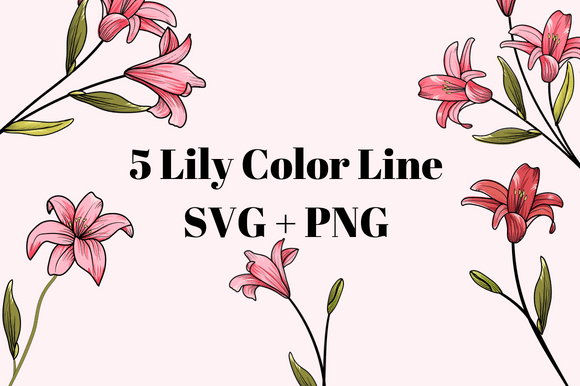
When Line Color Lily landed in my inbox, I paused—not because it screamed “wow,” but because it whispered something quieter and more intentional. This isn’t a bold monogram or a trendy typographic motif. It’s a lily arrangement with soft line work, gentle spacing, and subtle lace-inspired borders that suggest elegance without stiffness. As an embroidery designer who’s stitched hundreds of floral motifs for baby onesies, bridal totes, and boutique aprons, I immediately sensed its quiet confidence: it leans into refinement rather than flash. The composition feels balanced—neither too dense nor too sparse—and the open negative space between petals invites breathability in stitching. That matters. A lot.
Real Project Test: Custom Embroidered Linen Pillow Covers for a Wedding Boutique
Last month, I used Line Color Lily on a set of 12 linen pillow covers for a local wedding boutique. We chose ivory thread on natural oat linen—no backing, no glitter, just clean satin and running stitches defining petal edges and stem lines. What stood out wasn’t just how pretty it looked, but how *well-behaved* it was under the needle. No thread breaks. No puckering. The stitch density felt thoughtful—not overloaded like some floral files that drown fabric in fill stitch. Because the design lives in the Illustrations category and is delivered as a Graphics-based asset, it translated cleanly into embroidery software without jagged vectors or unintended anchor points. That saved me at least two hours of cleanup time.
Where Line Color Lily Shines (and Where It Needs Thought)
Line Color Lily works beautifully on structured, medium-weight fabrics: cotton twill aprons, canvas tote bags, midweight sweatshirts, and even tea towels where crisp line definition reads well from across a kitchen. Its scale and flow suit centered chest placements on crewnecks, side-panel embroidery on totes, and border repeats along napkin hems. As a machine embroidery design, it holds up impressively on curved surfaces—like the front panel of a dad cap—because the stems and leaves follow organic curves instead of rigid angles.
But here’s where attention matters: avoid using it full-size on baby onesies or toddler caps unless you reduce it significantly. Tiny buds and fine lace borders risk becoming indistinct on stretchy knit fabrics or thin cotton jersey. On dark fabric, test your thread colors carefully—the delicate linework can recede if contrast is low. And while it’s lovely as a standalone embroidered patch, don’t try to shrink it into a 1.5” hoop without checking small details first. Those slender stamens? They’ll vanish if not stabilized properly.
What It Adds to Your Finished Product
Customers notice subtlety—especially in handmade goods. When someone sees Line Color Lily on a personalized gift, they read care, intention, and quiet sophistication. It elevates a plain cotton tote into something gift-worthy. It softens the industrial feel of a denim jacket. It gives nursery decor a cohesive, gentle voice. For Etsy sellers and small shop owners, that translates directly to perceived value and repeat trust. Buyers don’t just buy a flower—they buy the feeling of being thoughtfully seen. And because Line Color Lily avoids cliché (no cartoon stems, no overblown gradients), it supports brand consistency across product lines—from holiday embroidery on kitchen towels to wedding gifts stitched on muslin pouches.
Practical Designer Notes You Can’t Skip
- Always test on scrap fabric first—especially if pairing with textured weaves like burlap or looped terry cloth.
- Check stitch density before hooping. If your machine flags high-density zones, consider simplifying inner fill areas manually—or use a lightweight tear-away stabilizer paired with cutaway for long-term wear.
- Review corner clarity. Since this is a border-capable design, ensure sharp turns in the lace edge don’t create nested stitches that snag during trimming.
- Use black-and-white mockups to assess legibility on both light and dark backgrounds. Some line weights hold up better in grayscale than others.
- Confirm licensing terms before selling finished items. While the description says you can use it on clothes, mugs, and cards, commercial embroidery rights aren’t always included by default—verify before listing on Etsy or launching a craft fair collection.
- If adapting Line Color Lily into a seamless pattern, watch spacing continuity. The natural rhythm of the stems helps—but test a tile repeat at actual size before cutting fabric.
Not Just Another Floral File—A Thoughtful Design Asset
Let’s be real: most floral embroidery files fall into one of two camps—overly fussy or frustratingly flat. Line Color Lily sits comfortably in the middle. It has enough detail to reward close inspection (that slight taper on each petal tip, the rhythmic spacing of the lace border), but enough openness to breathe on fabric. As a digital embroidery file, it’s adaptable—not locked into one style or application. You can embroider it solo, layer it behind monograms, pair it with hand-lettering, or simplify it into a minimalist outline for beginner-friendly projects.
For craft business owners building a signature aesthetic, this design quietly reinforces cohesion. It doesn’t shout—it complements. Whether you’re stitching a personalized gift for a new mom, branding a line of herbal tea towels, or creating custom patches for a florist’s pop-up shop, Line Color Lily delivers consistent tone without demanding perfection from your machine or your fabric.
It won’t replace your go-to script font or your best-selling geometric motif. But it will earn its place in your working library—not as filler, but as a trusted, nuanced tool for moments that call for grace over gloss.