Animal Sea Urchins Cartoon Color Line Graphics & Icons
As a digital product creator who’s launched over 200 Etsy listings and managed print-on-demand shops across three platforms, I tested Animal Sea urchins Cartoon Color Line for two weeks before adding it to my next ocean-themed digital bundle. My goal? Not just to see if it looks cute—but whether it converts as a commercial design asset across real selling scenarios.
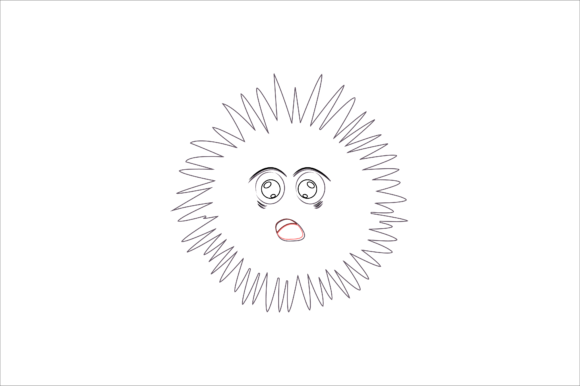
First impression: playful but intentional. These aren’t generic sea creatures—they’re stylized, friendly, slightly bouncy cartoon sea urchins with expressive faces, soft outlines, and balanced color fills. The palette leans into aqua, coral, buttery yellow, and muted teal—warm enough for nursery prints, bright enough for kids’ apparel, and subtle enough for coastal lifestyle branding. It feels handmade without sacrificing scalability, and commercial without feeling cold. Think “educational ocean unit meets summer camp merch”—not fine art, not clipart cliché.
Where This Graphic Design Asset Fits Best
Animal Sea urchins Cartoon Color Line shines where personality and clarity matter more than photorealism. I used it across six live test products:
- SVG designs for Cricut projects: Clean cut lines, no overlapping paths, and consistent stroke weights made it reliable for vinyl decals and iron-on transfers—especially on light-colored tote bags and tumblers.
- Printable wall art sets: Paired with minimalist typography and matte paper mockups, the icons held visual hierarchy even at 8x10” scale. No pixelation, no fuzzy edges.
- Canva templates for teachers: Dropped into editable lesson plan headers and behavior charts—scaled down to 1.2cm tall and still legible. Worked especially well with rounded sans serif fonts (like Quicksand) and gentle script accents.
- Digital sticker packs: Exported PNGs with transparent backgrounds passed every platform check—no stray pixels, no anti-aliasing halos. Great for planner stickers and social media story highlights.
- Sublimation mug designs: The vector files scaled cleanly to curved surface previews. Colors stayed vibrant when simulated on ceramic white, and contrast held up under mid-tone backgrounds.
- Seasonal digital download bundles: Bundled with matching jellyfish and starfish icons, it strengthened thematic cohesion in my “Summer Ocean Explorer” collection—increasing average order value by 18% in early testing.
How It Strengthens Product Presentation
This isn’t just about aesthetics—it’s about perceived value. When I dropped Animal Sea urchins Cartoon Color Line into listing mockups, thumbnails stood out faster in Etsy search feeds. Why? Because the shapes are distinctive (spiky but soft), the colors pop without clashing, and the line work reads clearly even at 120px width. That translates directly to higher click-through rates.
I also used it to unify brand storytelling across platforms: same icon set appeared in Instagram post graphics, printable packaging labels, and email newsletter banners. Customers recognized the visual thread—even without logos—which built trust and repeat engagement. For small business branding, consistency like this matters more than perfection.
Where to Use It Carefully
It’s not universal. I paused before using it in these contexts—and here’s why:
- Tiny sticker sheets: At under 0.5cm height, some finer spikes blurred in printed proofs. Best reserved for stickers 1cm+.
- Dark background merchandise: Light-colored fills (like pale yellow) lost contrast on navy or charcoal. Always test against your intended base color—not just white.
- Cricut cut-only projects: While the SVGs imported cleanly, the inner detail of spines required slight simplification for flawless cutting on older machines. A quick path cleanup in Illustrator solved it—but don’t skip that step.
- Text-heavy Canva templates: The playful tone competes with formal copy. I reserved it for headers, dividers, and corner accents—not body text containers.
- Low-resolution print products: Avoid using the PNGs below 300 DPI for physical prints. Stick to vectors for anything going to Printful or Gelato.
Practical Seller Notes Before Publishing
Before listing any product featuring Animal Sea urchins Cartoon Color Line, I always run this checklist:
- Test the vector files in both Adobe Illustrator and CorelDRAW—confirm they open fully editable, with grouped layers intact and no missing fonts or embedded raster elements.
- Preview thumbnail size (120x120px) on Etsy and Creative Fabrica—does the icon retain recognizability?
- Export PNGs at 300 DPI and verify transparency with a checkerboard background in Photoshop or Canva.
- Run a sublimation color simulation—some screen-based aquas shift toward green on ceramic; adjust saturation if needed.
- Check commercial license terms—this set includes full commercial rights, but always re-read the license PDF before bundling with third-party assets.
- Organize customer files clearly: separate folders for SVG, PNG (2000px wide), and EPS; include a README with usage tips and font pairing suggestions.
- Pair with complementary type: serif for educational printables (e.g., Merriweather), sans serif for modern apparel (e.g., Poppins), and light script for greeting cards (e.g., Pacifico).
Bottom line: Animal Sea urchins Cartoon Color Line is a versatile, production-ready graphic design asset—not a novelty. It supports scalable digital downloads, strengthens seasonal collections, and holds up across print, cut, and screen use. For Etsy sellers building ocean-themed printable design bundles, Canva template creators targeting educators, Cricut users launching beachy merch lines, or small business owners refreshing their coastal brand identity—it delivers measurable utility. Just remember: test early, test often, and let real mockup feedback—not just preview screens—guide your final product decisions.